
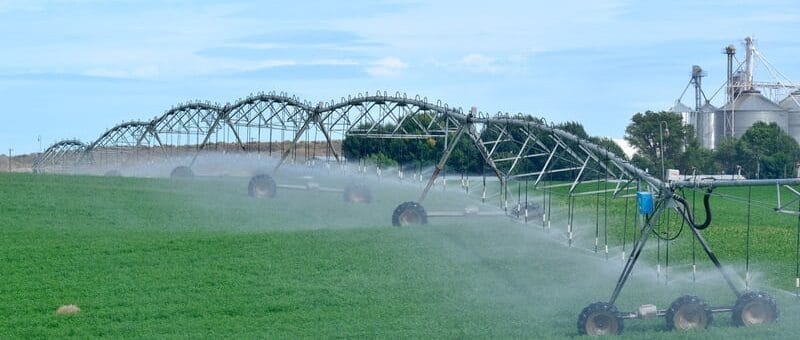
Smart Irrigation: The Future of Agriculture
In today’s agricultural landscape, where efficiency and sustainability are top priorities, the integration of technology is reshaping the way we farm. One groundbreaking innovation leading this charge is smart irrigation systems.
Okos öntözés represents a sophisticated approach to watering crops, harnessing technology and data to enhance plant health while optimizing water usage. By integrating sensors, weather data, and automation, this system delivers water precisely where and when it’s needed, taking into account the specific requirements of each plant and the prevailing environmental conditions. This precision not only prevents overwatering but also conserves water resources, promoting sustainability and reducing costs. Moreover, smart irrigation offers convenient remote control and monitoring capabilities, enabling users to manage their irrigation systems with ease. With customizable options and seamless integration with weather data, smart irrigation ensures efficient watering practices that support optimal plant growth while minimizing environmental impact.
In this article, we’ll explore the intricacies of smart irrigation, highlighting its importance, key features, and the transformative impact it’s having on farming practices worldwide.
The Need for Smart Farms
Traditional irrigation methods are outdated in our rapidly evolving world. Manual watering or timer-based systems lack adaptability to fluctuating weather and soil conditions, often resulting in water wastage and suboptimal plant growth. Enter smart irrigation: an intelligent system that revolutionizes watering practices by considering real-time environmental factors for precise, efficient irrigation.
Understanding Smart Irrigation
Smart irrigation systems are the epitome of precision agriculture, leveraging advanced technology to optimize water
usage while maximizing crop yield. Unlike conventional methods, smart systems utilize data-driven insights and automated controls to deliver water precisely where and when it’s needed most, minimizing waste and promoting sustainability.
Main Features of Smart Farms
Central to smart farms is the smart irrigation controller. This pivotal component dynamically adapts watering schedules in response to live weather and soil conditions. By precisely calibrating moisture levels, it guarantees that your plants receive the ideal amount of hydration for flourishing growth. Whether it’s sunny or rainy, these controllers adapt, thanks to their weather-based and soil-based programming.
Weather-Based Precision
Weather-based controllers, also known as evapotranspiration (ET) controllers, take cues from local weather data to fine-tune irrigation schedules. By considering factors like temperature, wind, solar radiation, and humidity, these controllers ensure that your landscape receives the right amount of water, no more, no less. They come in three flavors: signal-based, historic, and on- site weather measurement controllers.
Soil Moisture Sensors: The Root of Precision
Alternatively, soil-based controllers rely on soil moisture sensors to gauge watering needs. Placed at root level, these sensors continuously monitor soil moisture content, ensuring that irrigation is tailored to the specific conditions of your landscape. This approach eliminates guesswork and prevents both over and under-watering.
Choosing the Right Solution
The choice between weather-based and soil moisture sensor- based systems depends on your location and landscape. Weather-based controllers excel in accuracy, utilizing local weather data to adjust irrigation schedules dynamically. On the other hand, soil moisture sensor-based systems provide precise feedback on soil moisture levels, ensuring targeted watering where it’s needed most.
Convenient Remote Control and Monitoring
With smart irrigation agriculture systems, you’re in control, even when you’re away from the field. Integration with mobile devices allows for seamless remote monitoring and
management. With a simple app, you can tweak settings on the fly and receive timely updates about your farm directly to your device.
By harnessing technology and data-driven insights, these systems ensure efficient water usage, promote plant health, and ultimately contribute to a more sustainable future. Whether you opt for weather-based or soil moisture sensor-based solutions, the result is the same: smarter, more efficient irrigation practices that benefit both your bottom line and the environment.
Unveiling the Inner Workings of Smart Irrigation Systems Let’s explore the Inner Mechanics of smart irrigation systems:
1. Weather Stations: The Brain Behind the Brawn
At the heart of smart irrigation systems lie weather stations. These technological marvels gather essential meteorological data like temperature, humidity, wind speed, and precipitation. This treasure trove of information forms the bedrock of intelligent irrigation scheduling, empowering farmers to tweak watering patterns based on both current conditions and future forecasts.
2. Soil Sensors: Nurturing Plants with Precision
Adding another layer of precision, soil sensors are deployed across the field to keep tabs on moisture levels, soil composition, and other critical parameters. Continuously monitoring soil conditions, these sensors offer priceless insights into the water needs of crops. This allows farmers to craft tailored irrigation strategies, ensuring that each plant gets precisely the hydration it craves for optimal growth and health.
3. Differential Zone Mapping: Customization at its Finest
Differential zone mapping takes customization to the next level by dividing the field into distinct zones based on factors like soil type, topography, and crop variety. Armed with this detailed map, farmers can fine-tune their irrigation treatments for each zone, minimizing waste and maximizing efficiency. It’s like giving each part of the field its own personalized watering plan, ensuring that every drop counts towards a bountiful harvest.
By leveraging these cutting-edge components, smart irrigation systems are transforming the way we nurture our crops, making farming not just smarter, but also more sustainable and efficient than ever before.
The Benefits of Smart Irrigation Systems
With irrigation consuming a significant portion of global water
resources, the need for smarter water management has never been more pressing. Smart irrigation systems are the integration of technology, from advanced sensors to sophisticated algorithms. These advanced digital solutions facilitate the live tracking and regulation of irrigation systems, empowering farmers to oversee their resources with greater efficiency and lower operational expenses.
Let’s delve deeper into the array of advantages that smart irrigation systems bring to the table:
1. Water Conservation:
Smart irrigation systems excel in preserving water resources through targeted delivery. By channelling water directly to the root zone of plants, these systems minimize wastage caused by runoff and evaporation. This conservation effort not only safeguards water for future generations but also mitigates the environmental impact of excessive water usage.
2. Increased Crop Yield:
The precision of smart irrigation schedules ensures that crops receive just the right amount of water for optimal growth and productivity. This tailored approach translates into higher yields and superior-quality produce, empowering farmers to meet the demands of an ever-expanding global population while maintaining profitability and sustainability.
3. Enhanced Efficiency:
Automation and real-time monitoring form the backbone of smart irrigation systems, streamlining the entire irrigation process. By automating controls and providing real-time insights, these systems free up valuable time and resources for farmers to focus on other critical aspects of farm management, ultimately improving overall efficiency and productivity.
4. Environmental Compatibility:
With a keen eye on sustainability, smart irrigation systems alleviate pressure on local water sources, particularly in regions susceptible to drought and water scarcity. By optimizing water usage and minimizing waste, these systems promote environmental harmony while supporting the long-term viability of agricultural practices.
5. Remote Control and Monitoring:
The advent of remote management capabilities empowers users to oversee and adjust irrigation schedules from virtually anywhere, at any time. This flexibility not only enhances convenience but also enables proactive management of
irrigation systems, ensuring optimal performance and resource utilization.
6. Integration with Weather Data:
Smart irrigation systems take advantage of real-time weather data to adapt irrigation schedules dynamically. By syncing with weather forecasts, these systems optimize watering patterns in response to changing environmental conditions, thereby maximizing water efficiency and minimizing unnecessary watering.
7. Customization and Flexibility:
Tailored to meet the diverse needs of different crops and regions, smart irrigation systems offer unparalleled customization and flexibility. From setting specific moisture thresholds to configuring zone-specific settings, users can fine-tune irrigation schedules to suit the unique requirements of their fields, ensuring precise and efficient water management.
Overall, smart irrigation systems offer a comprehensive solution for managing water resources sustainably while promoting robust plant growth and fostering sustainable farming practices. With their multifaceted benefits and adaptability, these systems are poised to play a pivotal role in shaping the future of agriculture worldwide.
The Future of Smart Farming
In a global landscape where population growth and expanding agricultural activities strain water resources, smart irrigation systems emerge as a ray of hope. These cutting-edge solutions not only optimize water usage but also foster environmental sustainability and efficiency in farming practices. By harnessing technology to its fullest potential, these systems revolutionize water management, boost crop yields, and streamline farming operations, ushering in a new era of resilience and productivity in agriculture.
In conclusion, smart irrigation systems are revolutionizing the way we farm, offering a glimpse into the future of agriculture. By leveraging precision technology, real-time data, and automated controls, these systems are not only conserving water and increasing crop yield but also empowering farmers to thrive in an ever-changing environment. As agriculture continues its journey towards innovation and sustainability, smart irrigation systems will undoubtedly remain at the forefront, shaping the future of food production for generations to come.
 Magyar
 English