
Revolutionizing Agriculture with Smart Irrigation Systems
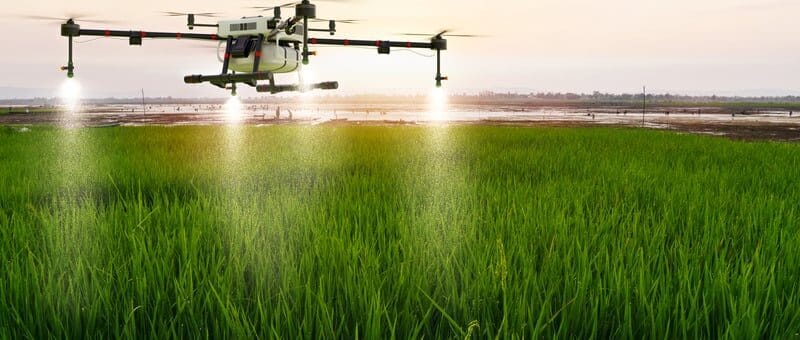
In the face of growing global food demand and increasingly unpredictable climate patterns, efficient water management is becoming crucial for sustainable agriculture. Smart irrigation systems, leveraging cutting-edge technology, offer a revolutionary solution to optimize water usage, enhance crop yields, and ensure sustainability. This blog post explores the key components, benefits, and future prospects of smart irrigation systems in agriculture.
Understanding Smart Irrigation Systems
Smart Irrigation Systems: These systems use advanced technologies, such as sensors, IoT (Internet of Things), and data analytics, to monitor soil moisture, weather conditions, and plant water needs in real time. They automatically adjust water application to ensure crops receive the optimal amount of water, minimizing waste and maximizing efficiency.
Key Components of Smart Irrigation Systems
- Soil Moisture Sensors: These sensors measure the water content in the soil, providing real-time data on soil moisture levels. This information is crucial for determining when and how much to irrigate.
- Weather Stations: Integrated weather stations collect data on local weather conditions, including temperature, humidity, rainfall, and wind speed. This data helps in forecasting irrigation needs based on current and anticipated weather patterns.
- IoT Devices: IoT devices connect various components of the irrigation system, enabling seamless communication and data exchange. These devices collect data from sensors and transmit it to a central system for analysis.
- Control Systems: Central control units process data from sensors and weather stations to make informed decisions about irrigation schedules and amounts. These units can automatically adjust irrigation based on real-time data, ensuring precise water application.
- Mobile and Web Applications: These applications provide farmers with remote access to their irrigation systems. Farmers can monitor system performance, receive alerts, and make adjustments from their smartphones or computers.
Benefits of Smart Irrigation Systems
- Water Efficiency: By precisely measuring soil moisture and weather conditions, smart irrigation systems ensure that crops receive the exact amount of water they need, reducing water wastage and improving water use efficiency.
- Improved Crop Yields: Optimal water management promotes healthy plant growth, leading to higher crop yields and better-quality produce. Consistent and precise irrigation helps prevent water stress and related crop diseases.
- Cost Savings: Efficient water use reduces the need for water resources and energy for pumping, leading to lower operational costs. Reduced water and energy consumption also contribute to environmental sustainability.
- Labor Savings: Automation of irrigation processes reduces the need for manual intervention, saving time and labor. Farmers can focus on other important tasks, improving overall farm management efficiency.
- Environmental Sustainability: Smart irrigation systems minimize water runoff and leaching, reducing the risk of soil erosion and nutrient loss. Efficient water use also helps conserve local water resources, promoting sustainable agriculture.
Applications of Smart Irrigation Systems
- Crop Fields: In large crop fields, smart irrigation systems ensure uniform water distribution, optimizing growth conditions and improving yield consistency.
- Greenhouses: Smart irrigation helps maintain ideal moisture levels in controlled environments like greenhouses, enhancing the growth of high-value crops.
- Orchards and Vineyards: These systems are particularly beneficial for perennial crops, where precise water management is crucial for fruit development and quality.
- Urban Farming: In urban and vertical farming setups, smart irrigation maximizes the efficient use of limited water resources, promoting sustainable urban agriculture.
Future Prospects and Challenges
While smart irrigation systems offer immense potential, several challenges must be addressed for widespread adoption:
- High Initial Costs: The upfront investment for smart irrigation technology can be high, posing a barrier for small-scale farmers. However, decreasing costs of technology and potential long-term savings make it a worthwhile investment.
- Technical Expertise: Farmers need technical knowledge to operate and maintain smart irrigation systems. Providing training and support can help bridge this gap.
- Data Management: Managing and analyzing large volumes of data can be complex. Advanced analytics and AI can simplify data processing and provide actionable insights.
- Connectivity Issues: Reliable internet connectivity is essential for IoT devices. In remote areas, connectivity issues can hinder the effectiveness of smart irrigation systems.
Conclusion
Smart irrigation systems are transforming agriculture by optimizing water use, improving crop yields, and promoting sustainability. By integrating advanced technologies such as soil moisture sensors, weather stations, IoT devices, and data analytics, these systems provide precise and efficient irrigation solutions. Despite challenges, the future of smart irrigation looks promising, with ongoing advancements making the technology more accessible and effective. As the agricultural industry continues to embrace smart irrigation, it paves the way for a more sustainable and productive future, ensuring food security and environmental conservation.
 Magyar
 English