
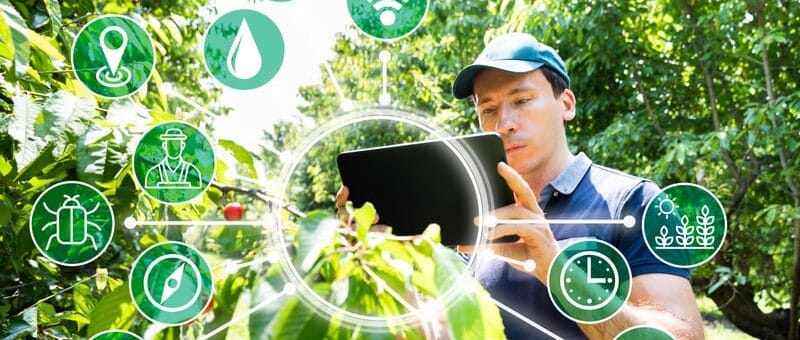
Integrating Smart Sensors, Soil Sensors, and Weather Stations in Precision Agriculture
The agricultural landscape is undergoing a transformation with the advent of precision agriculture, driven by the integration of advanced technologies such as smart sensors, soil sensors, and weather stations. These innovations are revolutionizing how farmers monitor and manage their fields, leading to enhanced productivity, sustainability, and efficiency. In this blog post, we explore the roles and benefits of smart sensors, soil sensors, and weather stations in precision agriculture.
The Role of Smart Sensors in Precision Agriculture
Smart Sensors: These are devices equipped with various types of sensors and communication capabilities to collect, analyze, and transmit data about different aspects of the agricultural environment. Smart sensors can monitor factors such as temperature, humidity, light intensity, and crop health.
Applications of Smart Sensors:
- Crop Monitoring: Smart sensors can track the growth stages of crops, detect signs of stress, and monitor overall health. This enables farmers to take timely actions to address issues and optimize crop management.
- Pest and Disease Management: By detecting changes in plant physiology and environmental conditions, smart sensors help in early identification of pest infestations and disease outbreaks, allowing for targeted interventions.
- Resource Management: Smart sensors assist in optimizing the use of water, fertilizers, and pesticides by providing real-time data on environmental conditions and crop needs.
The Importance of Soil Sensors in Precision Agriculture
Soil Sensors: These devices measure various soil parameters, including moisture content, temperature, pH, and nutrient levels. By providing real-time data on soil conditions, soil sensors play a crucial role in precision agriculture.
Applications of Soil Sensors:
- Precision Irrigation: Soil sensors monitor soil moisture levels, enabling precise control of irrigation systems. This ensures that crops receive the right amount of water at the right time, improving water use efficiency and crop health.
- Nutrient Management: By analyzing soil nutrient levels, soil sensors help farmers apply fertilizers more accurately, ensuring optimal nutrient availability for crops and reducing waste.
- Soil Health Monitoring: Continuous monitoring of soil conditions helps in maintaining soil health, preventing issues such as soil degradation and salinity buildup.
The Role of Weather Stations in Precision Agriculture
Weather Stations: These are setups that collect data on weather conditions such as temperature, humidity, wind speed, rainfall, and solar radiation. Weather stations provide critical information for making informed decisions in agriculture.
Applications of Weather Stations:
- Climate Monitoring: Weather stations provide real-time data on local climate conditions, helping farmers plan activities such as planting, irrigation, and harvesting based on accurate weather forecasts.
- Pest and Disease Forecasting: Weather data is crucial for predicting pest and disease outbreaks, as many of these are influenced by climatic conditions. This allows for proactive management and prevention strategies.
- Frost and Drought Management: Weather stations help in early detection of frost and drought conditions, enabling farmers to take preventive measures to protect crops and manage water resources effectively.
Benefits of Integrating Smart Sensors, Soil Sensors, and Weather Stations
- Enhanced Productivity: By providing precise and timely information, these technologies help optimize farming practices, leading to increased crop yields and quality.
- Resource Efficiency: Efficient use of water, fertilizers, and pesticides reduces waste and lowers costs, contributing to sustainable farming.
- Environmental Sustainability: Reduced overuse of inputs and better management of soil and water resources minimize the environmental impact of agriculture.
- Risk Mitigation: Real-time data and predictive analytics help in anticipating and mitigating risks such as extreme weather events, pest infestations, and soil degradation.
- Data-Driven Decision Making: The integration of data from various sensors provides a comprehensive view of the agricultural environment, enabling more informed and strategic decision-making.
Future Prospects and Challenges
While the integration of smart sensors, soil sensors, and weather stations offers immense benefits, there are challenges to be addressed. High initial costs, the need for technical expertise, and data management issues can hinder adoption. However, ongoing advancements and decreasing costs of technology are making these tools more accessible to farmers worldwide.
The future of precision agriculture looks promising with the continuous evolution of IoT, AI, and machine learning technologies. Innovations such as autonomous farming machinery, blockchain for traceability, and advanced analytics will further enhance the capabilities of precision farming, paving the way for a more sustainable and resilient agricultural sector.
Conclusion
The integration of smart sensors, soil sensors, and weather stations is revolutionizing precision agriculture, offering a smarter, more efficient, and sustainable approach to farming. By providing real-time insights and enabling data-driven decisions, these technologies empower farmers to optimize resource use, enhance productivity, and mitigate risks. As we move towards a future where agriculture is increasingly technology-driven, the role of these sensors and weather stations will be pivotal in ensuring food security and environmental sustainability.
 Magyar
 English